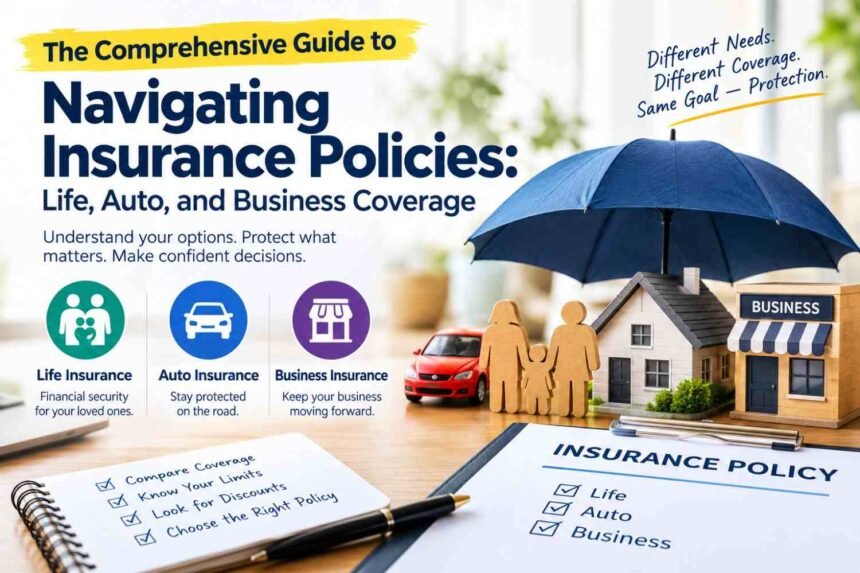
Whether you are safeguarding your family’s financial future, protecting a new vehicle, or securing your growing business, navigating the complex world of insurance is a crucial pillar of long-term financial planning. Understanding the nuances between different coverage options, premium rates, and policy limits can save you thousands of dollars while providing unparalleled peace of mind.
This guide breaks down the most critical insurance policies you need to know about, offering actionable insights to help you secure the best insurance quotes and comprehensive coverage.
1. Life Insurance: Securing Your Family’s Financial Future
Life insurance is arguably the most essential component of a robust financial portfolio. It ensures that your beneficiaries are financially protected in the event of an unexpected tragedy, covering everything from mortgage payments to college tuition.
- Term Life Insurance: This policy provides coverage for a specific period (the “term,” usually 10, 20, or 30 years). It generally offers lower insurance premiums and higher coverage amounts, making it the most cost-effective choice for young families.
- Whole Life Insurance: A type of permanent life insurance, whole life provides lifelong coverage and includes a cash-value savings component that grows over time. While the premiums are higher, the policy pays out a guaranteed death benefit and can act as an investment vehicle.
Pro Tip: Always compare life insurance quotes from multiple carriers. Rates can fluctuate significantly based on your age, health history, and the underwriter’s specific risk assessment models.
2. Auto Insurance: Balancing Cost and Comprehensive Coverage
Auto insurance is legally required in most jurisdictions, but settling for the minimum state requirements can leave you vulnerable to devastating out-of-pocket costs following an accident.
To fully protect your assets, consider the following coverage types:
- Liability Insurance: Covers bodily injury and property damage that you cause to others in an accident.
- Collision Coverage: Pays for the repair or replacement of your vehicle after an accident, regardless of who is at fault.
- Comprehensive Coverage: Protects against non-collision-related damage, such as theft, vandalism, natural disasters, or hitting an animal.
How to Lower Auto Insurance Premiums:
- Bundle your auto and home insurance policies with the same provider.
- Maintain a clean driving record to qualify for “safe driver” discounts.
- Opt for a higher deductible, which significantly lowers your monthly premium (just ensure you have the cash saved to cover the deductible if an accident occurs).
3. Business Insurance: Shielding Your Enterprise
For entrepreneurs and small business owners, commercial insurance is non-negotiable. A single lawsuit or unforeseen catastrophe can easily bankrupt an uninsured business.
Key commercial insurance policies include:
| Policy Type | What It Covers | Best For |
|---|---|---|
| General Liability Insurance | Protects against claims of bodily injury, property damage, and personal injury (like libel or slander). | All businesses, especially those with physical storefronts. |
| Professional Liability (E&O) | Covers negligence claims or mistakes in the professional services you provide. | Consultants, lawyers, accountants, and service-based businesses. |
| Commercial Auto Insurance | Covers vehicles used primarily for business purposes, offering higher liability limits than personal auto policies. | Delivery services, contractors, and companies with vehicle fleets. |
| Workers’ Compensation | Provides medical benefits and wage replacement to employees injured on the job. | Any business with W-2 employees (legally required in most states). |
4. Health Insurance: Navigating Plans and Premiums
Medical costs are a leading cause of debt, making a robust health insurance plan a critical defense mechanism for your personal finances. When evaluating health insurance plans during open enrollment, pay close attention to the HMO (Health Maintenance Organization) vs. PPO (Preferred Provider Organization) distinction.
PPOs offer more flexibility to see out-of-network specialists without a referral, whereas HMOs generally boast lower premiums and out-of-pocket costs but restrict you to a localized network of doctors.
The Bottom Line on Insurance Planning
Purchasing insurance is about transferring risk. While paying monthly premiums can feel like a financial burden, the cost of being underinsured during a crisis is exponentially higher. To maximize your financial security, audit your current policies annually, actively seek out competing insurance quotes, and consult with a licensed fiduciary or insurance broker to tailor your coverage to your unique lifestyle and assets.