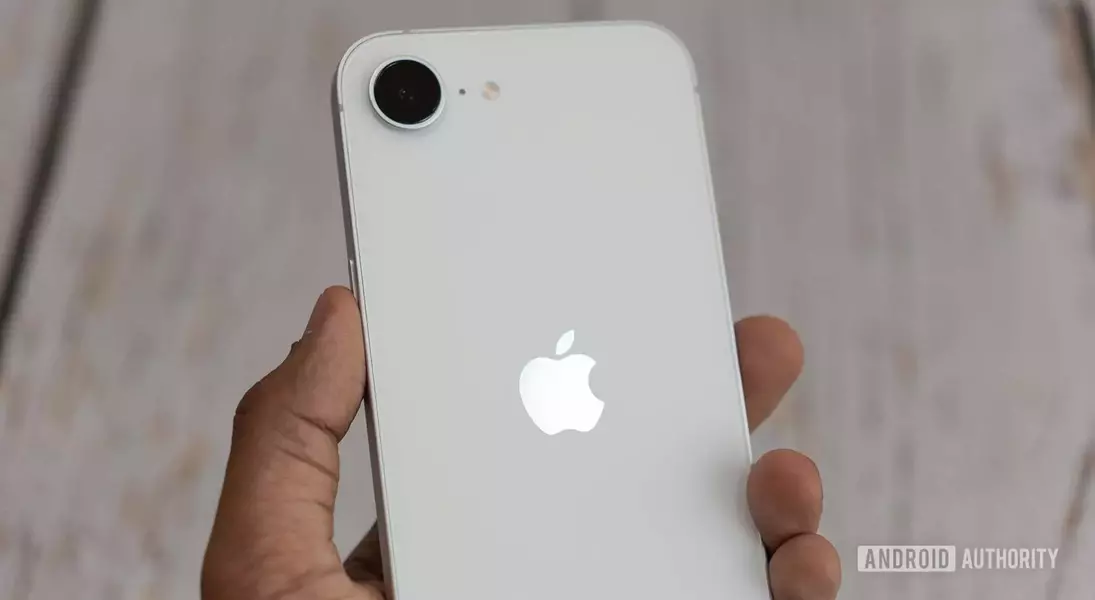
In an era where the concept of ownership is rapidly evolving, from housing to media consumption and even vehicles, smartphones have largely remained a domain of direct purchase. However, this traditional model appears to be on the cusp of change, driven by innovative programs designed to reshape how individuals access and upgrade their mobile technology.
Apple's recent introduction of its Upgrade initiative exemplifies this shift, presenting a device-as-a-service framework where users can lease their devices through consistent monthly payments. Upon the conclusion of this lease period, customers are offered the opportunity to transition to a newer model, perpetuating a cycle of continuous upgrades. This model effectively transforms device acquisition into a recurring utility expense, akin to monthly bills for essential services, thereby simplifying the process of staying current with the latest technological advancements.
The advent of such leasing programs introduces a spectrum of benefits and drawbacks. While some consumers, representing a significant portion of surveyed individuals, express a strong preference for outright ownership, others demonstrate a notable willingness to embrace leasing, particularly if the financial terms are appealing. This divergence in opinion underscores a broader conversation about consumer preferences, the implications for device longevity, the environmental impact of frequent upgrades, and the evolving dynamics of data privacy in a leased ownership model.
The debate surrounding smartphone leasing extends beyond mere financial considerations, touching upon crucial aspects like environmental responsibility and personal data security. As device costs continue to climb, flexible acquisition models may offer a pathway to accessibility for many. Nevertheless, it is imperative for both consumers and manufacturers to critically evaluate the long-term implications, ensuring that convenience does not compromise sustainability or privacy in the pursuit of technological progress.